


6 months 3 weeks ago
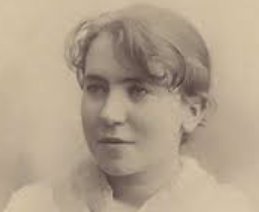
The Kropotkins, the Perovskayas, the Breshkovskayas, and hosts of others repudiated wealth and station and refused to serve King Mammon. They went among the people, not to lift them up but themselves to be lifted up, to be instructed, and in return to give themselves wholly to the people. That accounts for the heroism, the art, the literature of Russia, the unity between the people, the mujik and the intellectual. That to some extent explains the literature of all European countries, the fact that the Strindbergs, the Hauptmanns, the Wedekinds, the Brieux, the Mirbeaus, the Steinlins and Rodins have never dissociated themselves from the people.
4 months 3 weeks ago
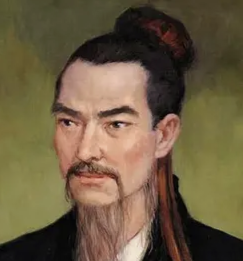
When we come to think about the several benefits in regard to their cause, how have they arisen? Have they arisen out of hate of others and injuring others? Of course we should say no. We should say they have arisen out of love of others and benefiting others. If we should classify one by one all those who love others and benefit others, should we find them to be partial or universal? Of course we should say they are universal. Now, since universal love is the cause of the major benefits in the world, therefore Mozi proclaims universal love is right. And, as has already been said, the interest of the magnanimous lies in procuring benefits for the world and eliminating its calamities. Now that we have found out the consequences of universal love to be the major benefits of the world and the consequences of partiality to be the major calamities in the world; this is the reason why Mozi said partiality is wrong and universality is right.
▼
Source
source
Book 4; Universal Love III
4 months 1 week ago
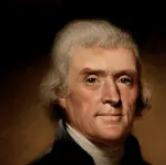
Our particular principles of religion are a subject of accountability to our god alone. I enquire after no man's and trouble none with mine; nor is it given to us in this life to know whether yours or mine, our friend's or our foe's, are exactly the right.
▼
Source
source
Letter to Miles King
6 months 1 week ago
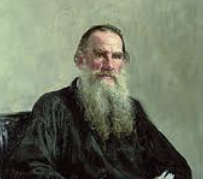
The truth is that the State is a conspiracy designed not only to exploit, but above all to corrupt its citizens ... Henceforth, I shall never serve any government anywhere.
▼
Source
source
As quoted in Tolstoy (1988) by A. N. Wilson, p. 146
8 months 3 weeks ago
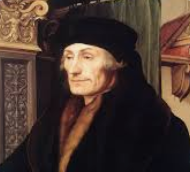
Of how much more passion than reason has Jupiter composed us? putting in, as one would say, "scarce half an ounce to a pound."
7 months 1 week ago
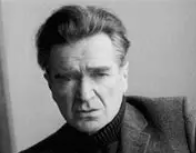
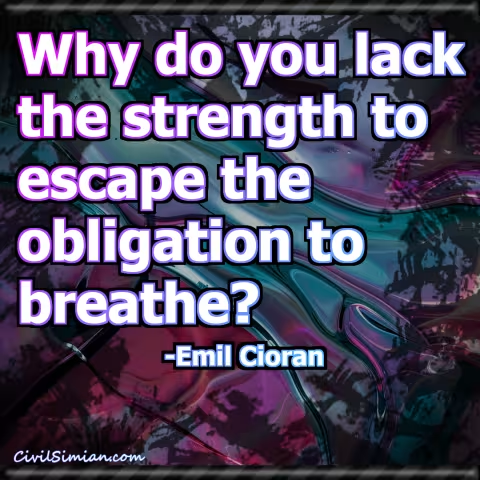
If just once you were depressed for no reason, you have been so all your life without knowing.
8 months 3 days ago
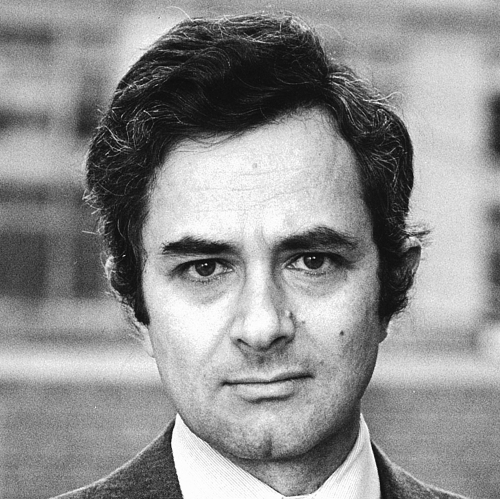
If we tried to rely entirely on reason, and pressed it hard, our lives and beliefs would collapse - a form of madness that may actually occur if the inertial force of taking the world and life for granted is somehow lost. If we lose our grip on that, reason will not give it back to us.
▼
Source
source
"The Absurd" (1971), p. 20.
4 months 1 week ago
Our opinion here is that that place has been so deeply concerned in smuggling, that if it wants it is because it has illegally sent away what it ought to have retained for its own consumption.
▼
Source
source
Letter to Lieutenant Governor Levi Lincoln of Massachusetts (November 13, 1808) concerning a petition from the island of Nantucket for food during the American embargo.
7 months 5 days ago
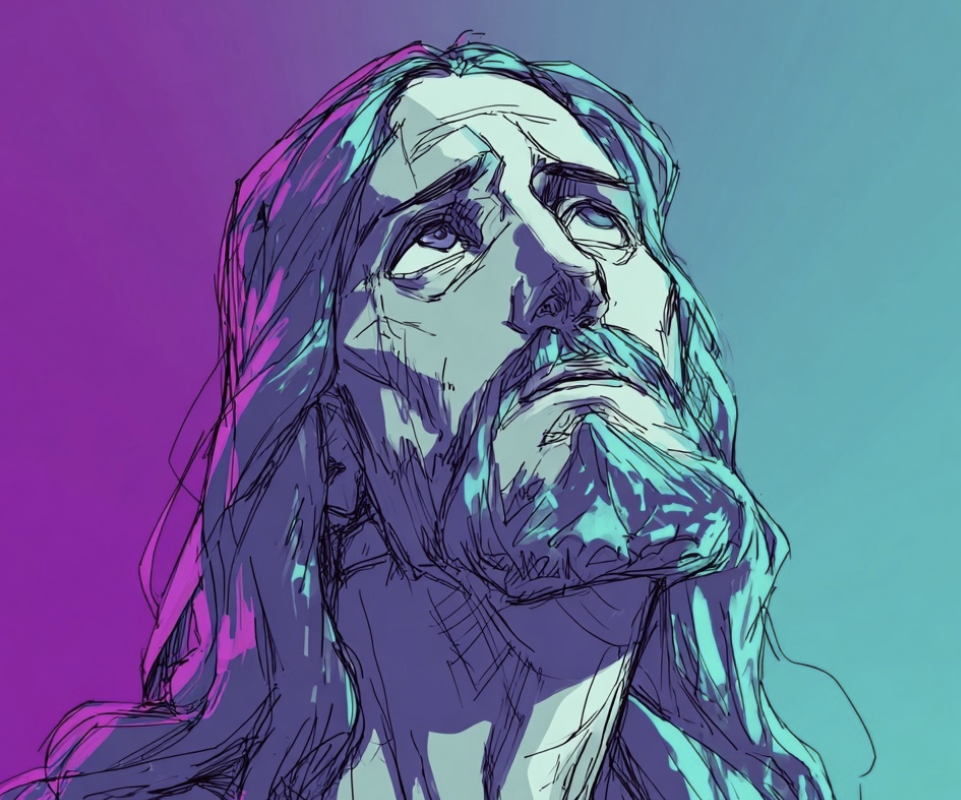
Be ye therefore ready also: for the Son of man cometh at an hour when ye think not.
▼
Source
source
12:40
8 months 2 weeks ago
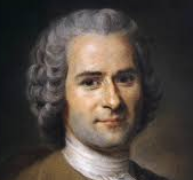
Virtue is a state of war, and to live in it means one always has some battle to wage against oneself.
▼
Source
source
Julie ou la Nouvelle Héloïse (French), Sixième partie, Lettre VII Réponse (1761) Julie, or The New Heloise (English), Part Six, Letter VII Response, pg 560
9 months ago
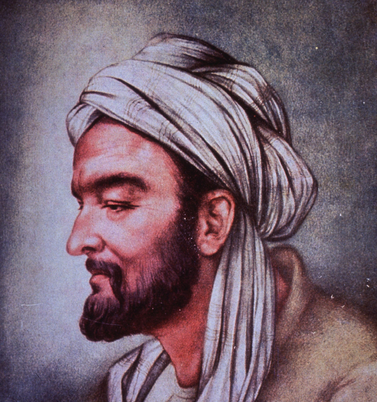
The knowledge of anything, since all things have causes, is not acquired or complete unless it is known by its causes. Therefore in medicine we ought to know the causes of sickness and health. And because health and sickness and their causes are sometimes manifest, and sometimes hidden and not to be comprehended except by the study of symptoms, we must also study the symptoms of health and disease. Now it is established in the sciences that no knowledge is acquired save through the study of its causes and beginnings, if it has had causes and beginnings; nor completed except by knowledge of its accidents and accompanying essentials. Of these causes there are four kinds: material, efficient, formal, and final.

8 months 2 days ago
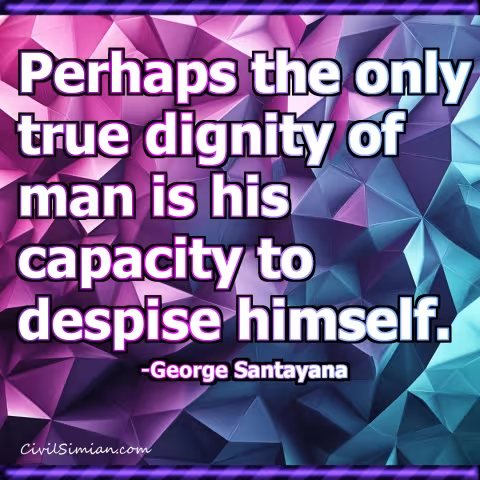
And yet it will be obvious that it is difficult to really know of what sort each thing is.
4 months 1 week ago
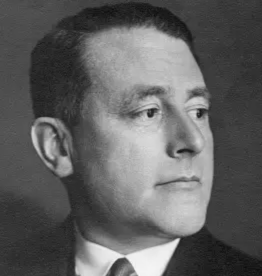
The state as the decisive political entity possesses an enormous power: the possibility of waging war and thereby publicly disposing of the lives of men. The jus belli contains such a disposition. It implies a double possibility: the right to demand from its own members the readiness to die and unhesitatingly to kill enemies.
8 months 2 weeks ago
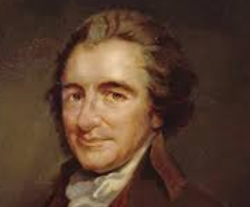
As to riots and tumults, let those answer for them, who, by willful misrepresentations, endeavor to excite and promote them; or who seek to stun the sense of the nation, and to lose the great cause of public good in the outrages of a misinformed mob. We take our ground on principles that require no such riotous aid. We have nothing to apprehend from the poor; for we are pleading their cause. And we fear not proud oppression, for we have truth on our side.
▼
Source
source
Address and Declaration at a Select Meeting of the Friends of Universal Peace and Liberty (August 20, 1791) p. 6

6 months 5 days ago
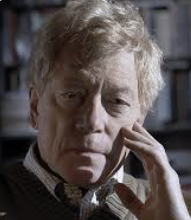
The strange superstition has arisen in the Western world that we can start all over again, remaking human nature, human society, and the possibilities of happiness; as though the knowledge and experience of our ancestors were now entirely irrelevant.
▼
Source
source
Gentle Regrets: Thoughts from a Life
4 months 1 week ago
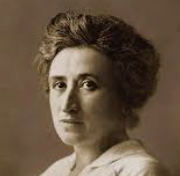
Shamed, dishonored, wading in blood and dripping with filth, thus capitalist society stands. Not as we usually see it, playing the roles of peace and righteousness, of order, of philosophy, of ethics - as a roaring beast, as an orgy of anarchy, as a pestilential breath, devastating culture and humanity - so it appears in all its hideous nakedness.
▼
Source
source
Ch. 1, Rosa Luxemburg Speaks (1970), trns: Mary-Alice Waters
9 months ago
The world is divided into men who have wit and no religion and men who have religion and no wit.
7 months 3 days ago
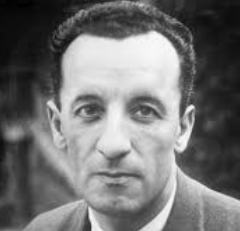
Philosophy is in history, and is never independent of historical discourse. But for the tacit symbolism of life it substitutes, in principle, a conscious symbolism; for a latent meaning, one that is manifest. It is never content to accept its historical situation. It changes this situation by revealing it to itself.
▼
Source
source
p. 57
8 months 2 weeks ago
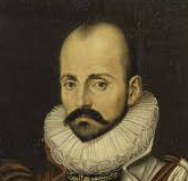
There is as much difference between us and ourselves as between us and others.
▼
Source
source
Ch. 1. Of the Inconstancy of Our Actions, tr. Cotton, rev. W. Carew Hazlitt, 1877
5 months 1 week ago
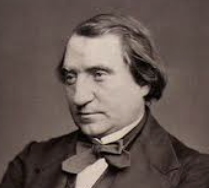
Colonization on a grand scale is a political necessity of absolutely the first order. A nation that does not colonize is irrevocably vowed to socialism, to war between rich and poor. The conquest of a nation of inferior race by a superior race, which establishes itself as the ruler, has nothing shocking about it.
▼
Source
source
92-93
8 months 1 week ago
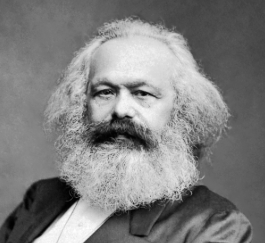
The Communists disdain to conceal their views and aims. They openly declare that their ends can be attained only by the forcible overthrow of all existing social conditions. Let the ruling classes tremble at a Communistic revolution. The proletarians have nothing to lose but their chains. They have a world to win. WORKING MEN OF ALL COUNTRIES, UNITE!
▼
Source
source
Section 4, paragraph 11 (last paragraph) Variant translation: Workers of the world, unite!
9 months 2 weeks ago
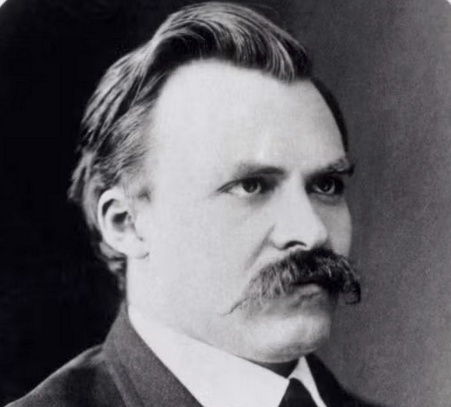
Woe to the thinker who is not the gardener but only the soil of the plants that grow in him!
7 months 5 days ago
A judgment, for me is not the mere grasping of a thought, but the admission of its truth.
▼
Source
source
Gottlob Frege (1892). On Sense and Reference, note 7.
7 months 1 week ago
We have a priori reasons for believing that in every sentence there is some one order of words more effective than any other; and that this order is the one which presents the elements of the proposition in the succession in which they may be most readily put together.
▼
Source
source
Pt. I, sec. 3, "The Principle of Economy Applied to Sentences"
7 months 1 week ago
Yes! We believe in a higher principle than your virtue and the kind of morality you speak of so paltrily and without much conviction. We believe that there is no imperative or reward for virtue for the soul because it simply acts according to the necessity of its inherent nature. The moral imperative expresses itself in an ought and presupposes the concept of an evil next to that of good.
▼
Source
source
P. 43
7 months 1 week ago
Reflect how you are to govern a people who think they ought to be free, and think they are not. Your scheme yields no revenue; it yields nothing but discontent, disorder, disobedience; and such is the state of America, that after wading up to your eyes in blood, you could only end just where you begun; that is, to tax where no revenue is to be found, to - my voice fails me; my inclination indeed carries me no farther - all is confusion beyond it.
7 months 1 week ago
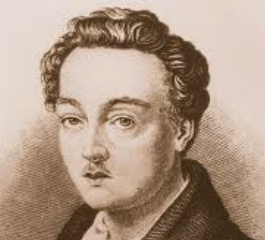
In Germany, the judicial system has been the whore of the German princes for centuries.
7 months 1 week ago
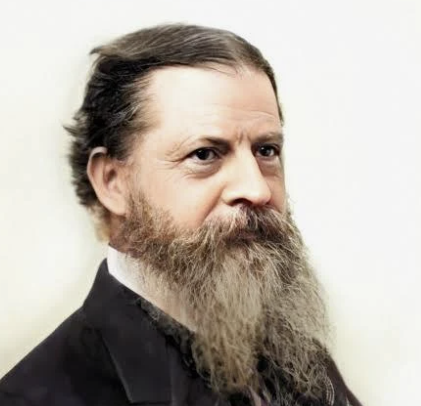
Effort supposes resistance.
▼
Source
source
Vol. I, par. 320
6 months 4 weeks ago
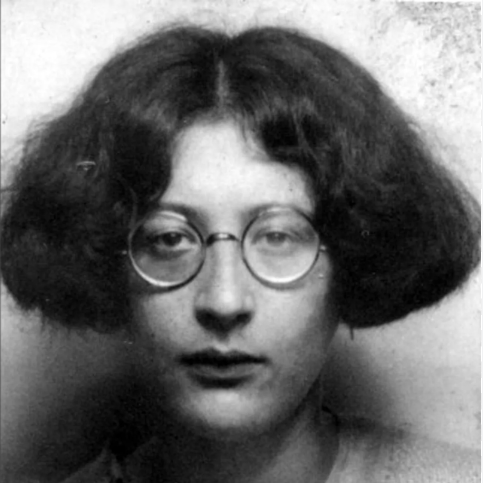
The miser deprives himself of his treasure because of his desire for it.
▼
Source
source
p. 260
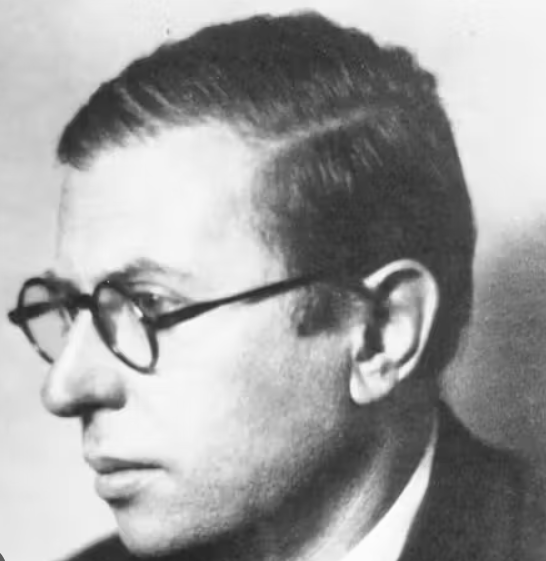
8 months 1 week ago
Either the USSR was not the country of socialism, in which case socialism didn't exist anywhere and doubtless, wasn't possible: or else, socialism was that, this abominable monster, this police state, the power of beasts of prey.
▼
Source
source
p. 184
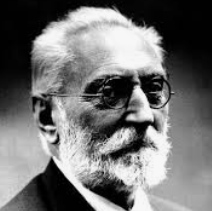
6 months 4 weeks ago
But if ether is nothing but an hypothesis explanatory of light, air on the other hand, is a thing that is directly felt; and even if it did not enable us to explain the phenomenon of sound, we should nevertheless always be directly aware of it, and above all, of the lack of it in moments of suffocation or air-hunger. And in the same way God Himself, not the idea of God, may become a reality that is immediately felt; and even though the idea of God does not enable us to explain either the existence or essence of the Universe, we have at times the direct feeling of God, above all in moments of spiritual suffocation. And the feeling, mark it well, for all that is tragic in it and the whole tragic sense of life is founded upon this - this feeling is a feeling of hunger for God, of the lack of God. To believe in God is, in the first instance... to wish that there may be a God, to be unable to live without Him.
6 months 3 weeks ago
Now he saw the problem with great clarity. If he lived here, life would be pleasant and safe. But it would also be predictable. A child could be born here, grow up here, die here, without ever experiencing the excitement of discovery. Why did Dona question him endlessly about his life in the burrow and his journey to the country of the ants? Because for her, it represented a world that was dangerous and full of fascinating possibilities. For the children of this underground city, life was a matter of repetition, of habit. And this, he suddenly realized, was the heart of the problem. Habit. Habit was a stifling, warm blanket that threatened you with suffocation and lulled the mind into a state of perpetual nagging dissatisfaction. Habit meant the inability to escape from yourself, to change and develop . . .
▼
Source
source
pp. 132-133
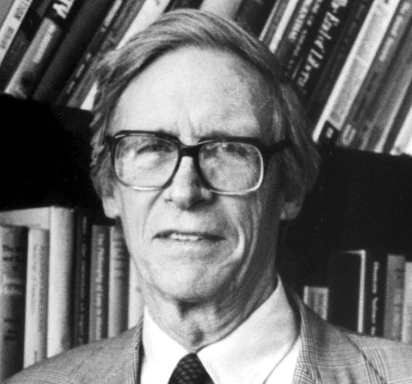
8 months 1 week ago
An intolerant sect has no right to complain when it is denied an equal liberty. ... A person's right to complain is limited to principles he acknowledges himself.
▼
Source
source
p. 217
8 months 1 week ago
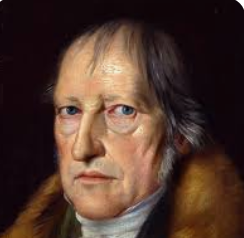
This final aim is God's purpose with the world; but God is the absolutely perfect Being, and can, therefore, will nothing but himself.
9 months 1 week ago
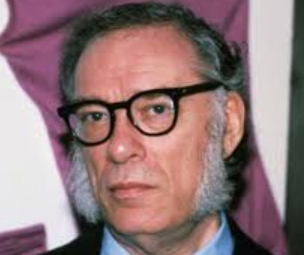
The Law of conservation of energy tells us we can't get something for nothing, but we refuse to believe it.

4 months 1 week ago
Our century of war, militarism, and political terror has produced great - and successful - advocates of true peace, among whom Mohandas Gandhi and Martin Luther King, Jr., are the paramount examples. The considerable success that they achieved testifies to the presence, in the midst of violence, of an authentic and powerful desire for peace and, more important, of the proven will to make the necessary sacrifices.
8 months 3 days ago
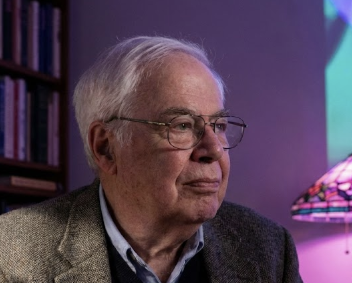
Almost as soon as I began to study philosophy, I was impressed by the way in which philosophical problems appeared, disappeared, or changed shape, as a result of new assumptions or vocabularies.
▼
Source
source
Preface
8 months 2 weeks ago
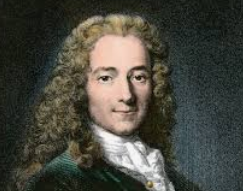
I opened with that which good Catholics have more than once made to Huguenots. "My dear sir," said I, "were you ever baptized?" "No, friend," replied the Quaker, "nor any of my brethren." "Zounds!" said I to him, "you are not Christians then!" "Friend," replied the old man, in a soft tone of voice, "do not swear; we are Christians, but we do not think that sprinkling a few drops of water on a child's head makes him a Christian." "My God!" exclaimed I, shocked at his impiety, "have you then forgotten that Christ was baptized by St. John?" "Friend," replied the mild Quaker, "once again, do not swear. Christ was baptized by John, but He Himself never baptized any one; now we profess ourselves disciples of Christ, and not of John." "Mercy on us," cried I, "what a fine subject you would be for the holy inquisitor! In the name of God, my good old man, let me baptize you."
▼
Source
source
Voltaire's account of his conversations with Andrew Pit
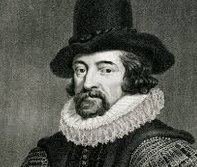
8 months 3 weeks ago
It is not possible to run a course aright when the goal itself has not been rightly placed.
▼
Source
source
Aphorism 81
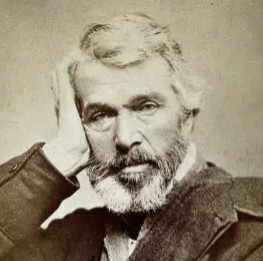
5 months 3 days ago
If you are in a strait, a very good indication as to choice-perhaps the best you could get-is a book you have a great curiosity about. You are then in the readiest and best of all possible conditions to improve by that book.
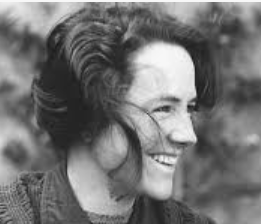
5 months 3 weeks ago
I mean to lead a simple life, to choose a simple shell I can carry easily - like a hermit crab. But I do not. I find that my frame of life does not foster simplicity. My husband and five children must make their way in the world. The life I have chosen as a wife and mother entrains a whole caravan of complications.
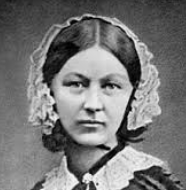
6 months 3 weeks ago
How very little can be done under the spirit of fear.
▼
Source
source
As quoted in The Book of Positive Quotations (2007) by John Cook, p. 479
7 months 1 week ago
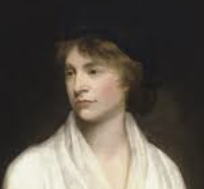
If women be educated for dependence; that is, to act according to the will of another fallible being, and submit, right or wrong, to power, where are we to stop?
▼
Source
source
Ch. 3
CivilSimian.com created by AxiomaticPanic, CivilSimian, Kalokagathia